Why Bedrooms Are Becoming More Personal in 2026
For most of the last decade, the aspirational bedroom looked more or less the same. Crisp white linen, a neutral palette, symmetry. It photographed well and travelled easily across platforms. It also looked like everyone else's.
That version of the bedroom is losing its hold. Not dramatically, and not all at once, but the shift is visible. People are making different choices in their most private rooms, choices that reflect taste and temperament rather than a shared idea of what a bedroom is supposed to look like.
It is worth understanding why that is happening, and what it means for how we think about the space where we spend a third of our lives.
The decade of the neutral bedroom
The minimalist interior had a long and genuinely useful run. After years of maximalism and visual clutter, the pared-back bedroom offered something rare: calm. Neutral palettes, unadorned surfaces, and restrained furniture choices created spaces that felt like they exhaled.
The problem was not the aesthetic itself but what happened when it became universal. Minimalism as a personal choice is meaningful. Minimalism as the default is just another kind of conformity. By the early 2020s, bedrooms across different homes, different countries, and different design sensibilities were converging on an almost identical look.
The bedroom stopped being the most personal room in the house and became one of the most predictable.

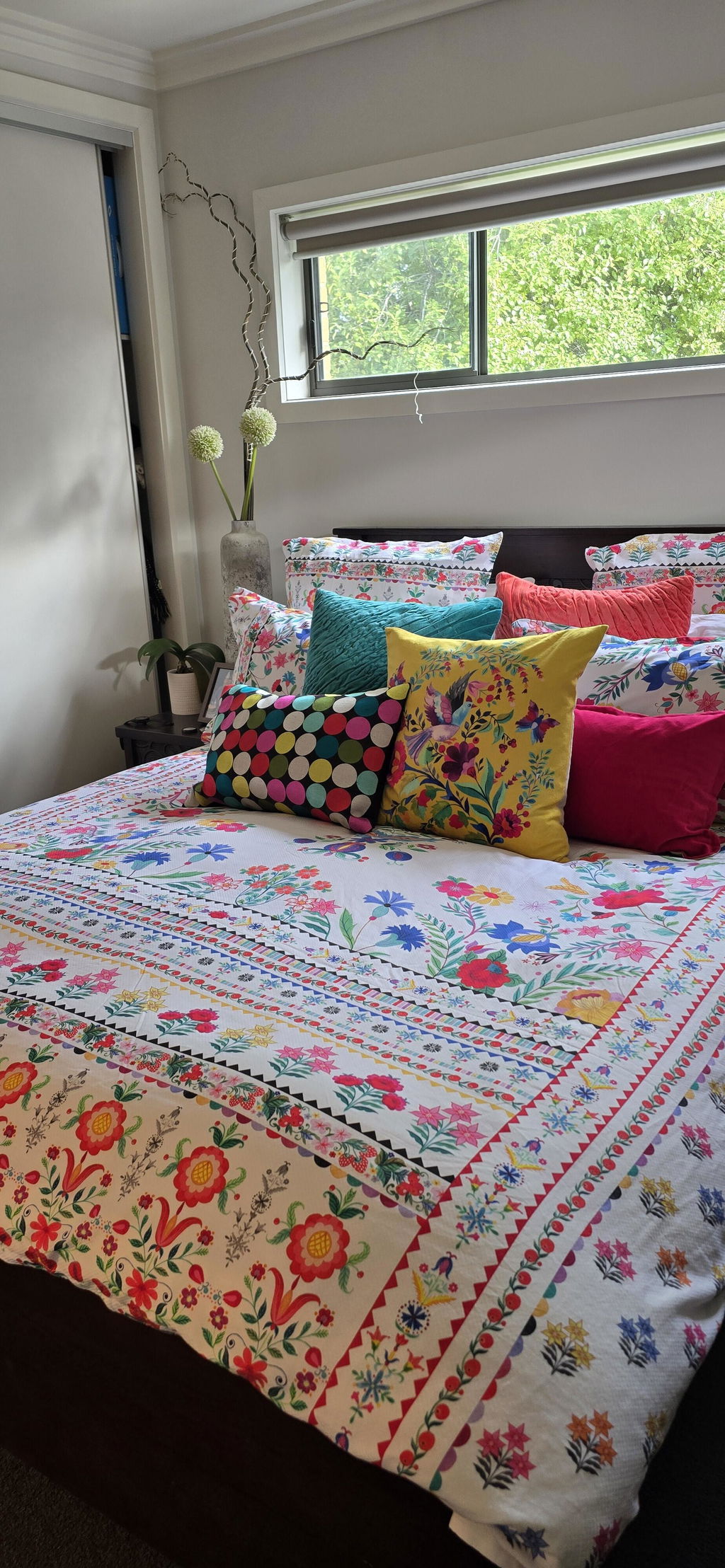
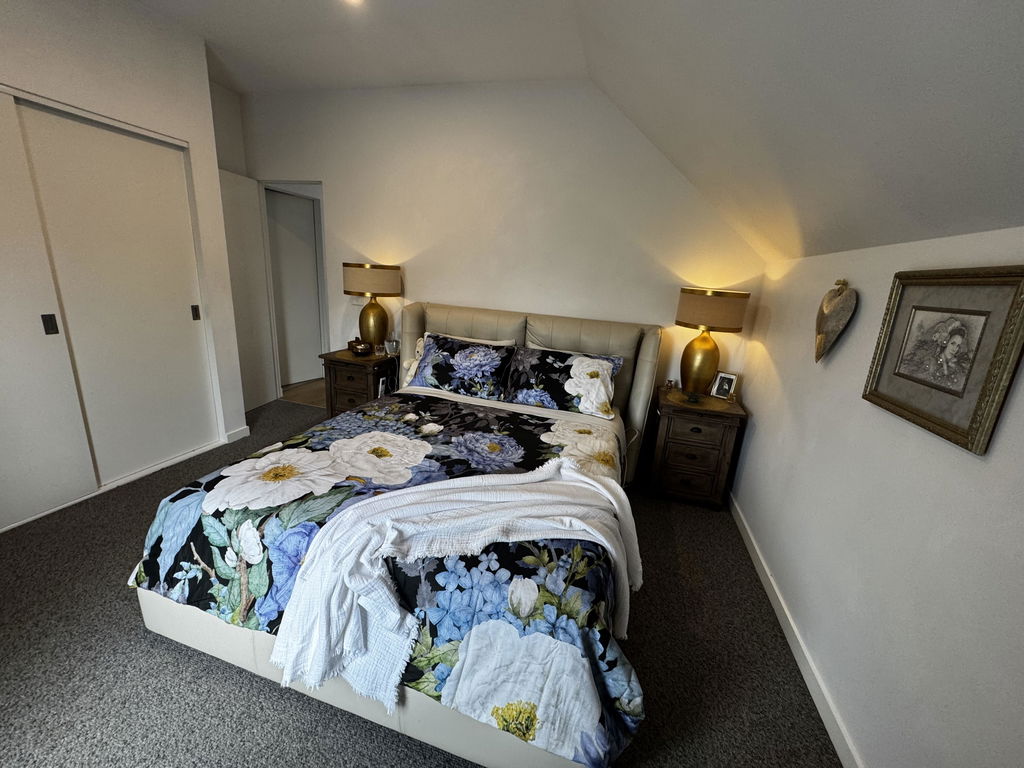
Polished, predictable, and indistinguishable from anyone else's.

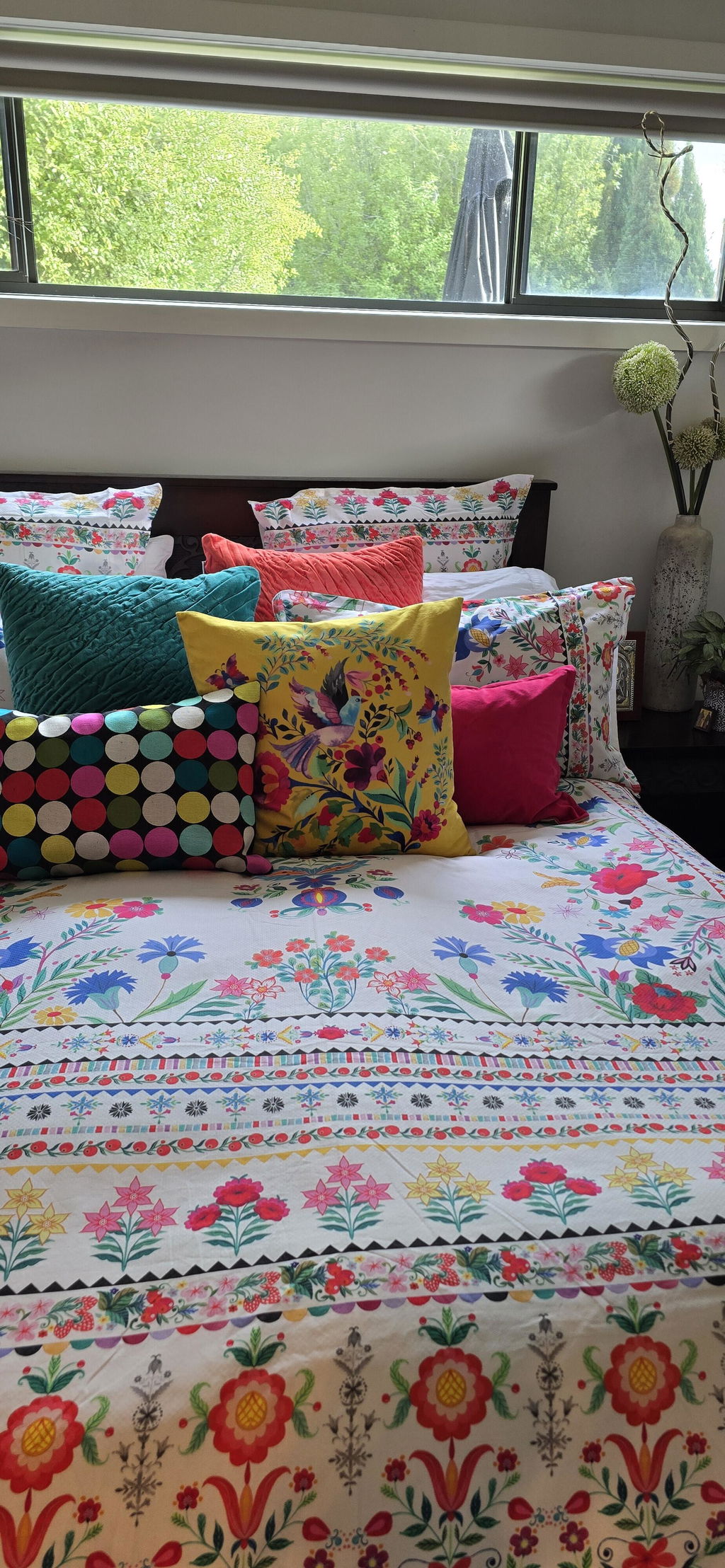
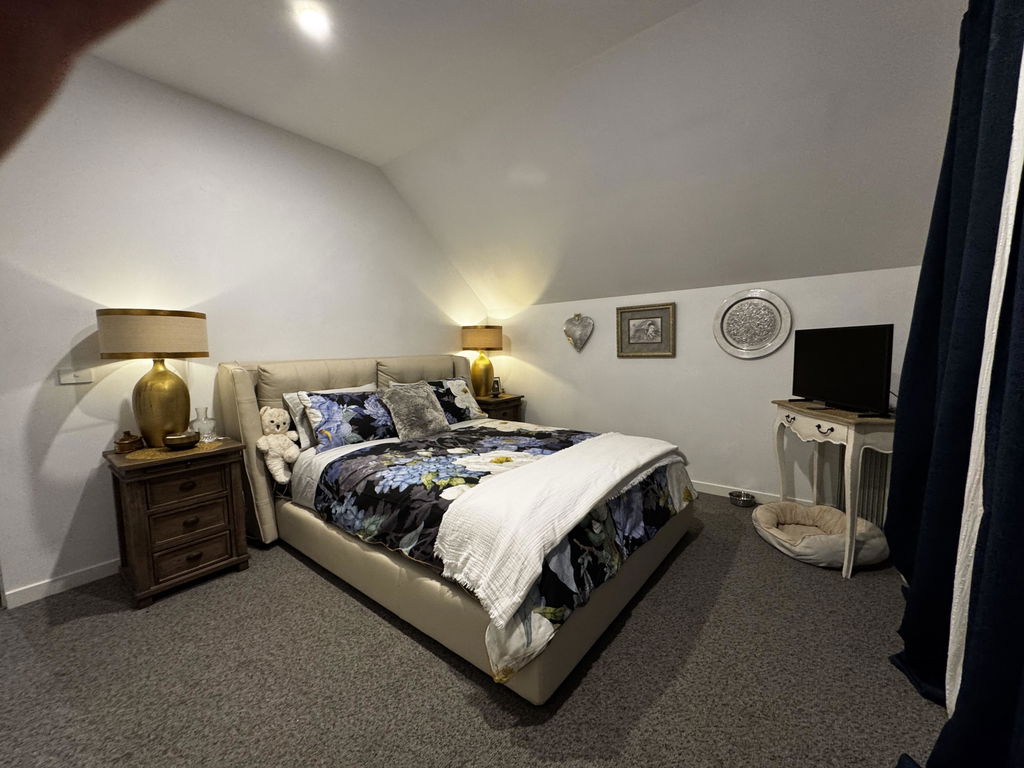
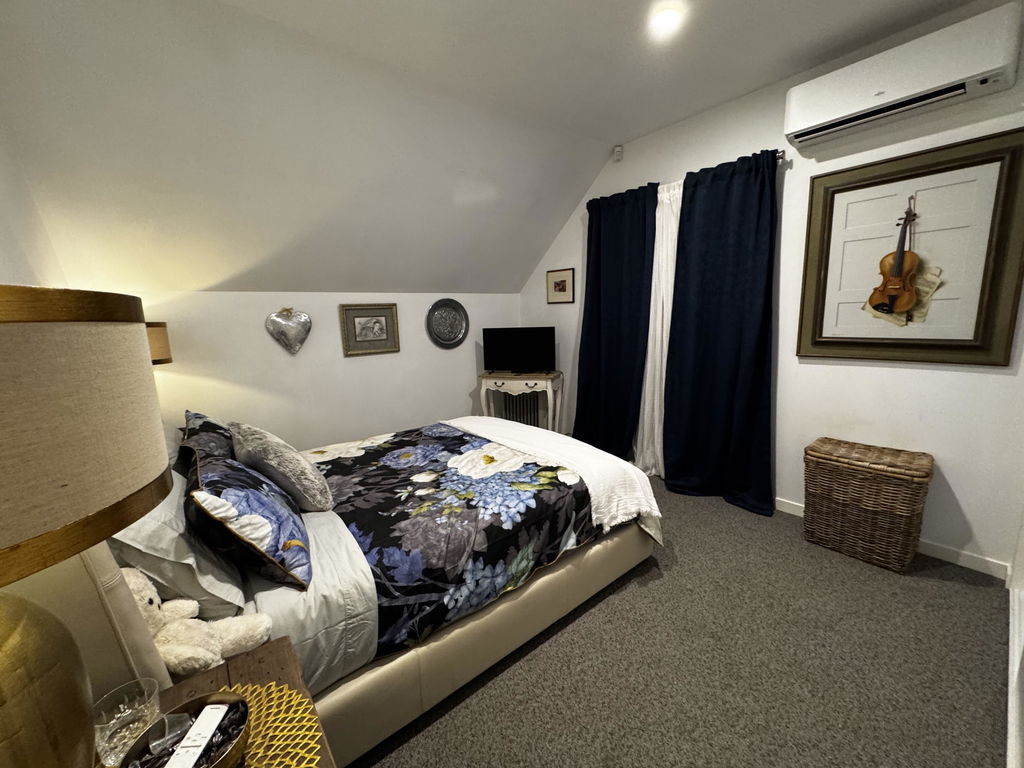
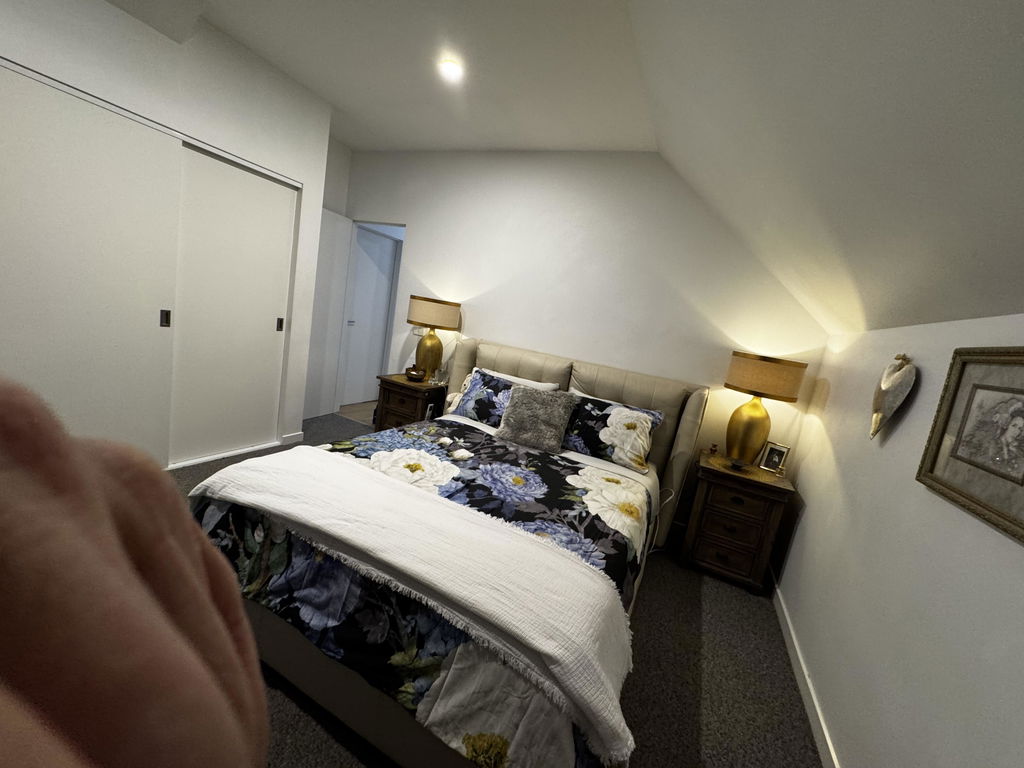
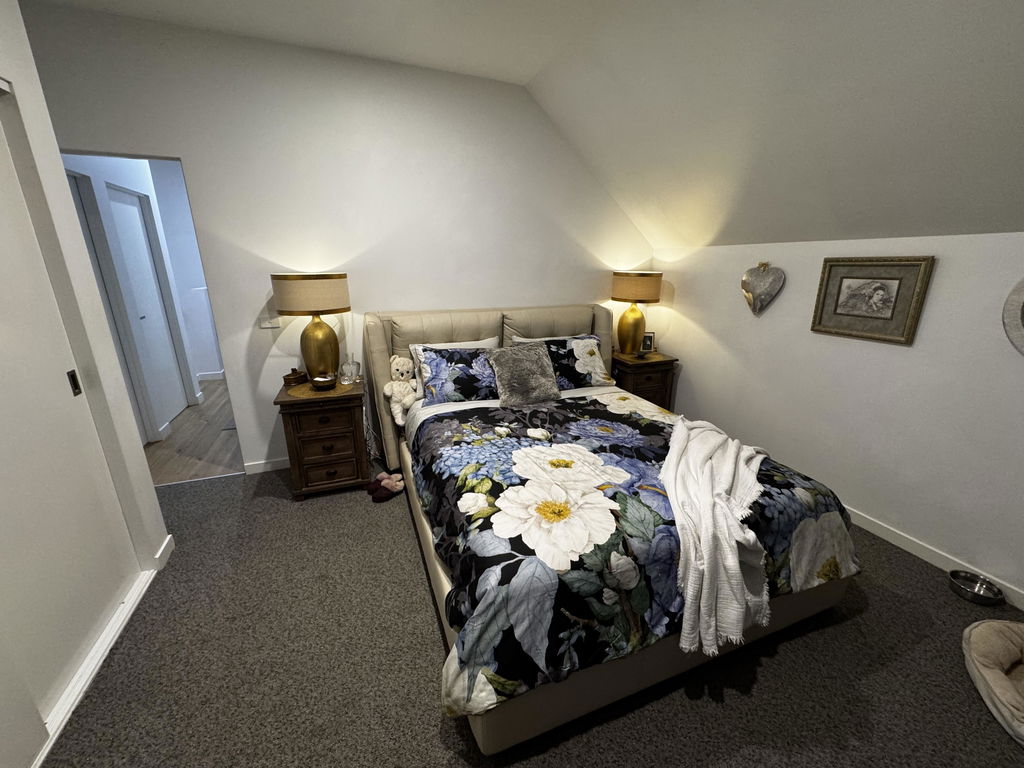
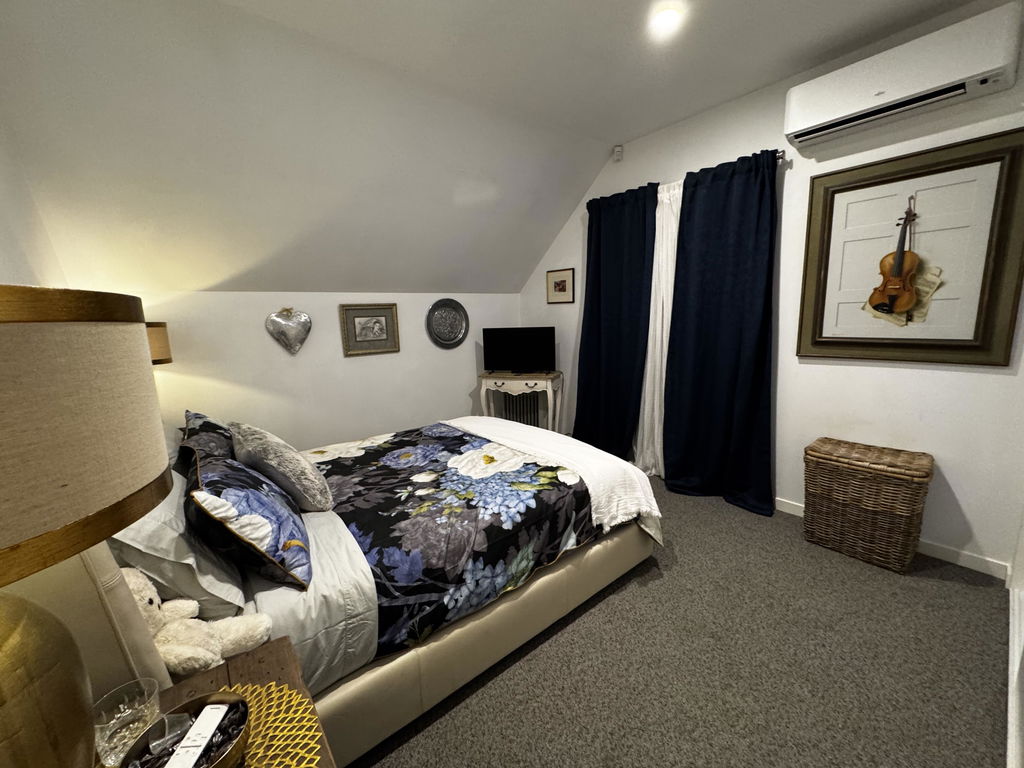
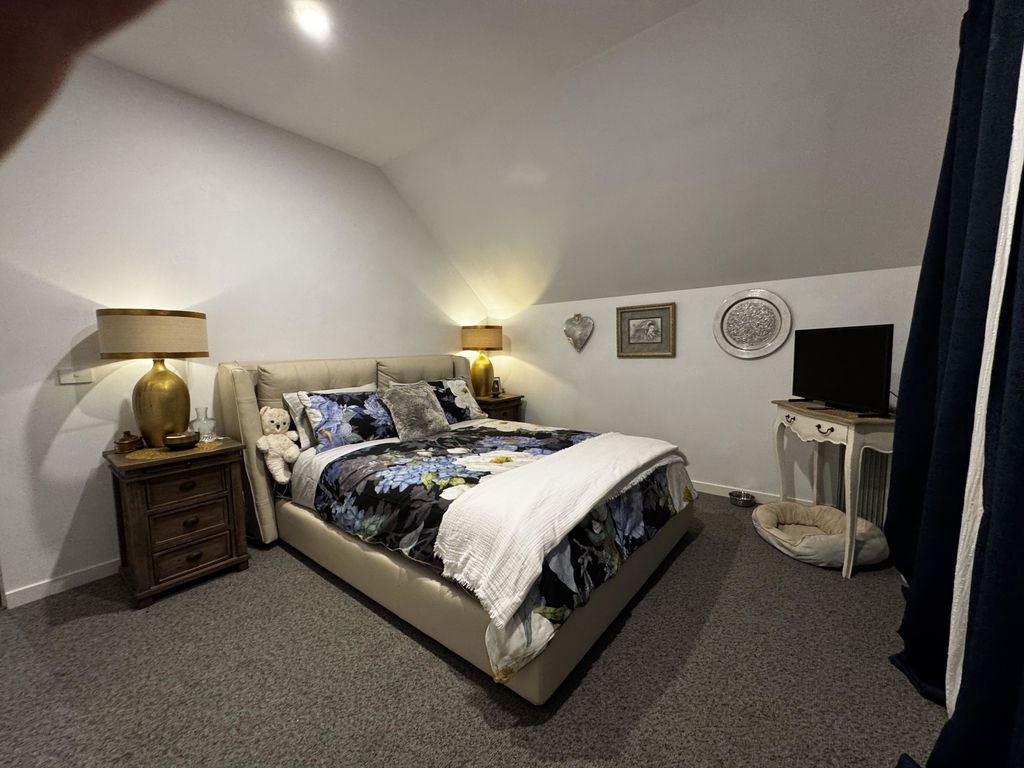
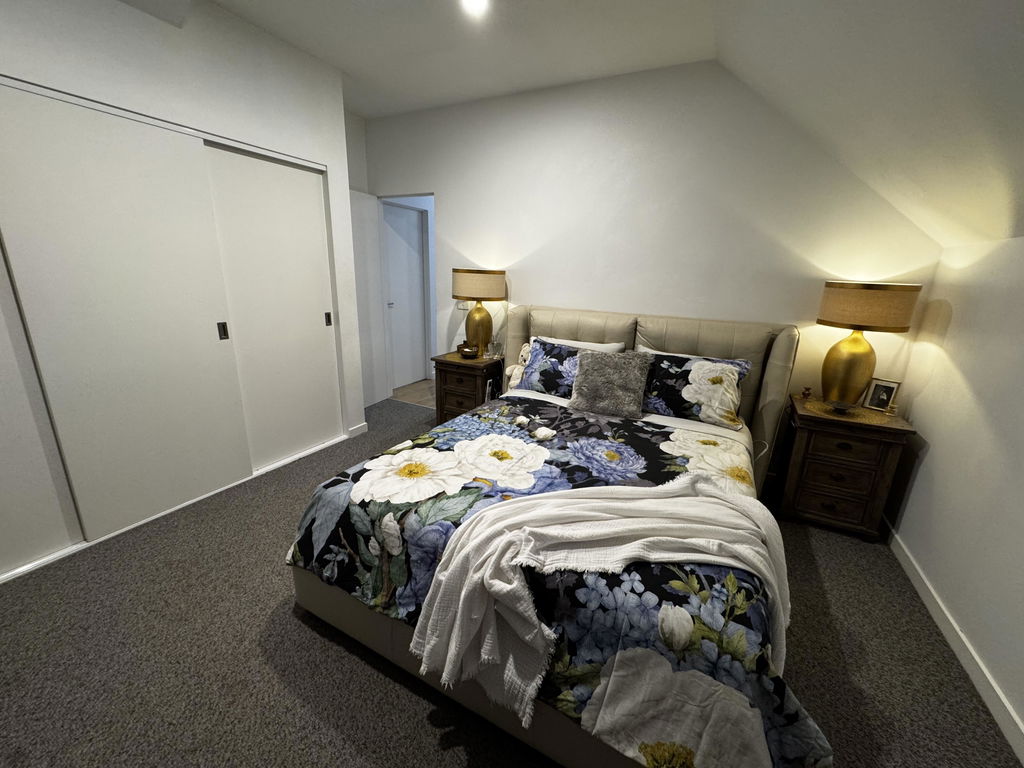
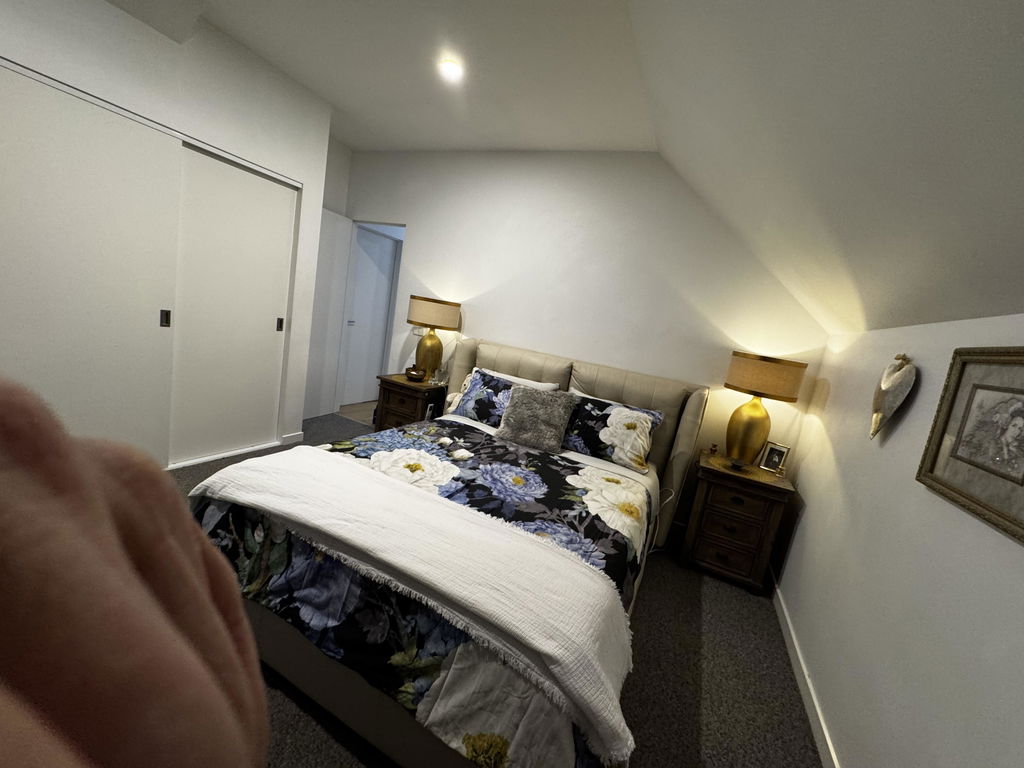
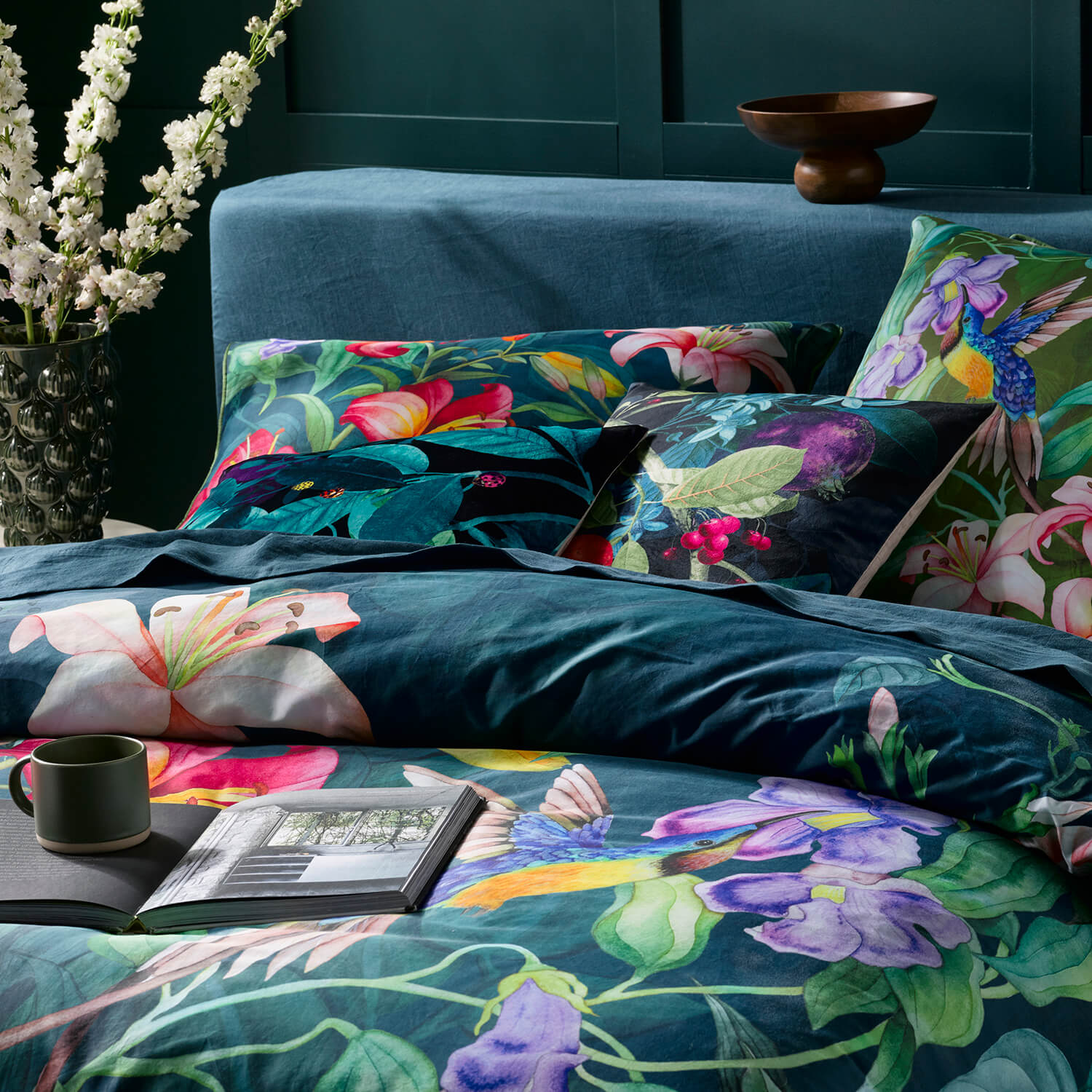
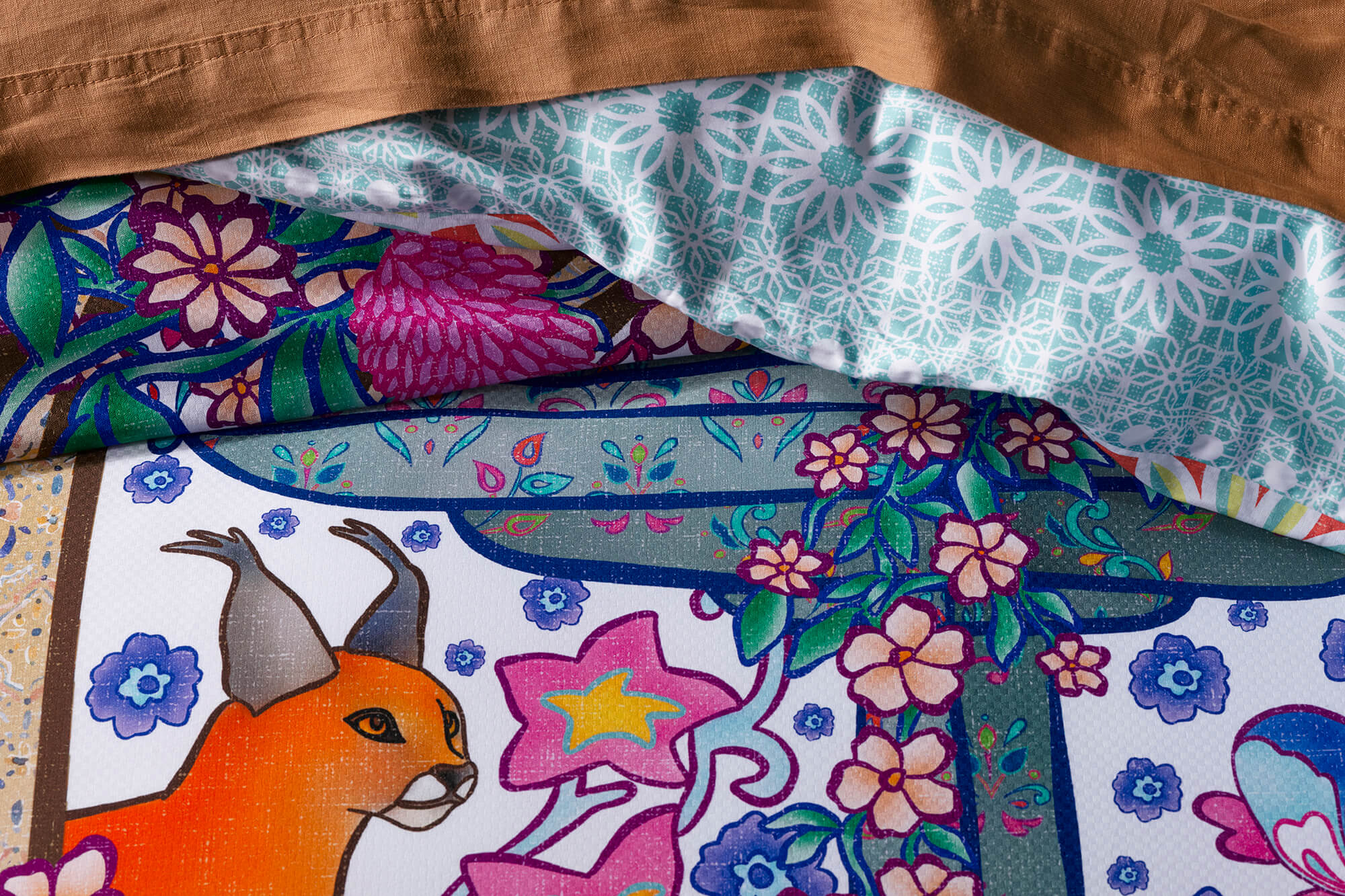
A room that reflects who lives there. Azura Selva by Luxotic.
What is driving the shift toward personal expression
Several things are converging at once. The most significant is a changed relationship with the home itself. Years of spending more time at home have made people more attuned to how their spaces feel, not just how they look on a screen. The test is no longer the photograph but the lived experience.
There is also a broader cultural fatigue with trend-following. Cycles have accelerated to the point where any coherent aesthetic can feel dated within a season. In response, a growing number of people are opting out of the cycle entirely, choosing things they feel genuinely connected to rather than things that feel current.
In the bedroom specifically, this shift has particular weight. It is the room least likely to be seen by guests. It has no social obligation to perform. That freedom, once used to make the safest possible choices, is now being used differently.
The bedroom stopped being the most personal room in the house. Now it is becoming one again.
Colour is coming back
One of the clearest signs of this shift is in the use of colour. The neutral palette that dominated bedroom design for years is giving way to something more complex. Deeper tones are appearing, not as accent walls or statement pieces, but as considered colour stories that carry through the whole space.
The change is not toward brightness for its own sake. It is toward intention. A dark botanical green, a warm terracotta, a muted cobalt, these are colours chosen for their emotional resonance rather than their universality. They make a specific statement about who lives there.
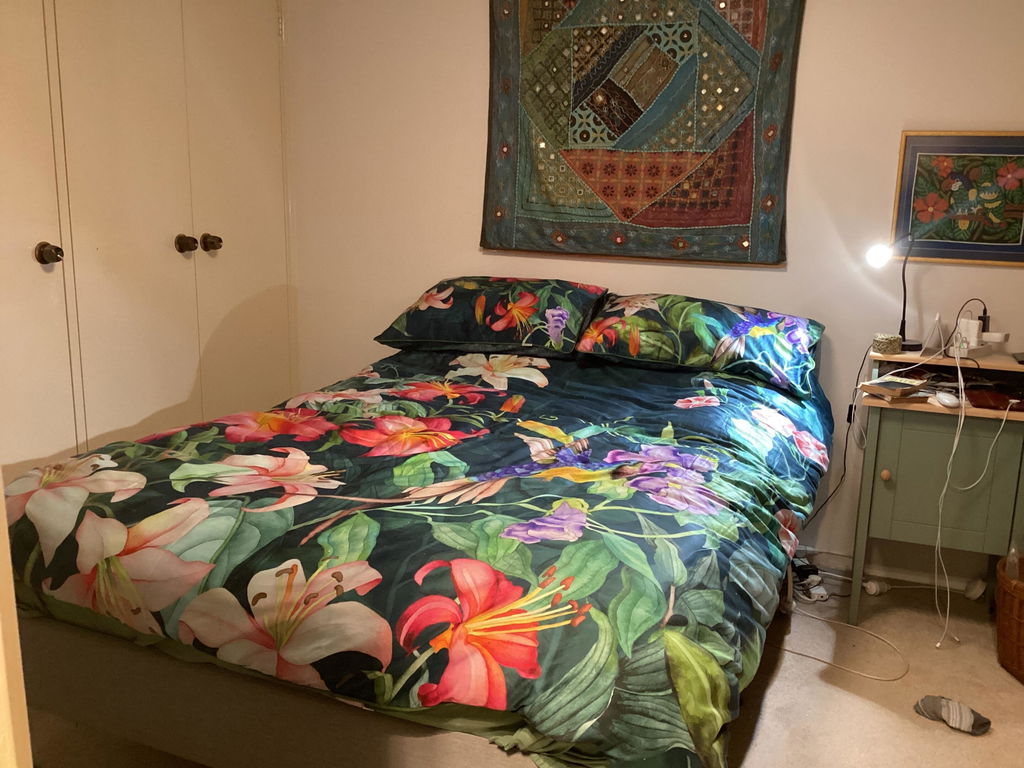
Bedding is where this shift is most visible, because the bed occupies more visual surface than anything else in the room. When that surface carries colour with depth and character, it anchors the entire space. When it is white or neutral, it recedes.

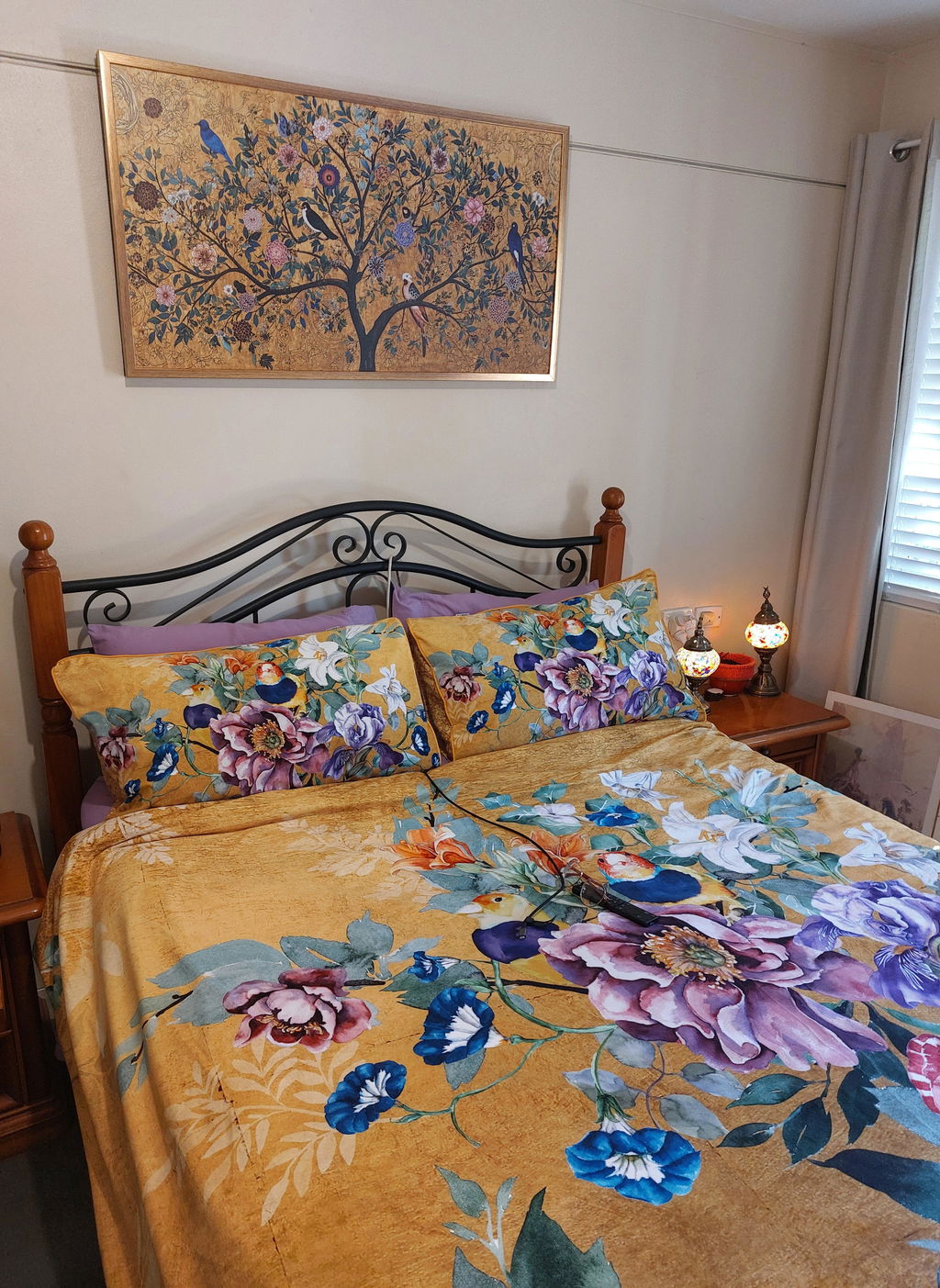
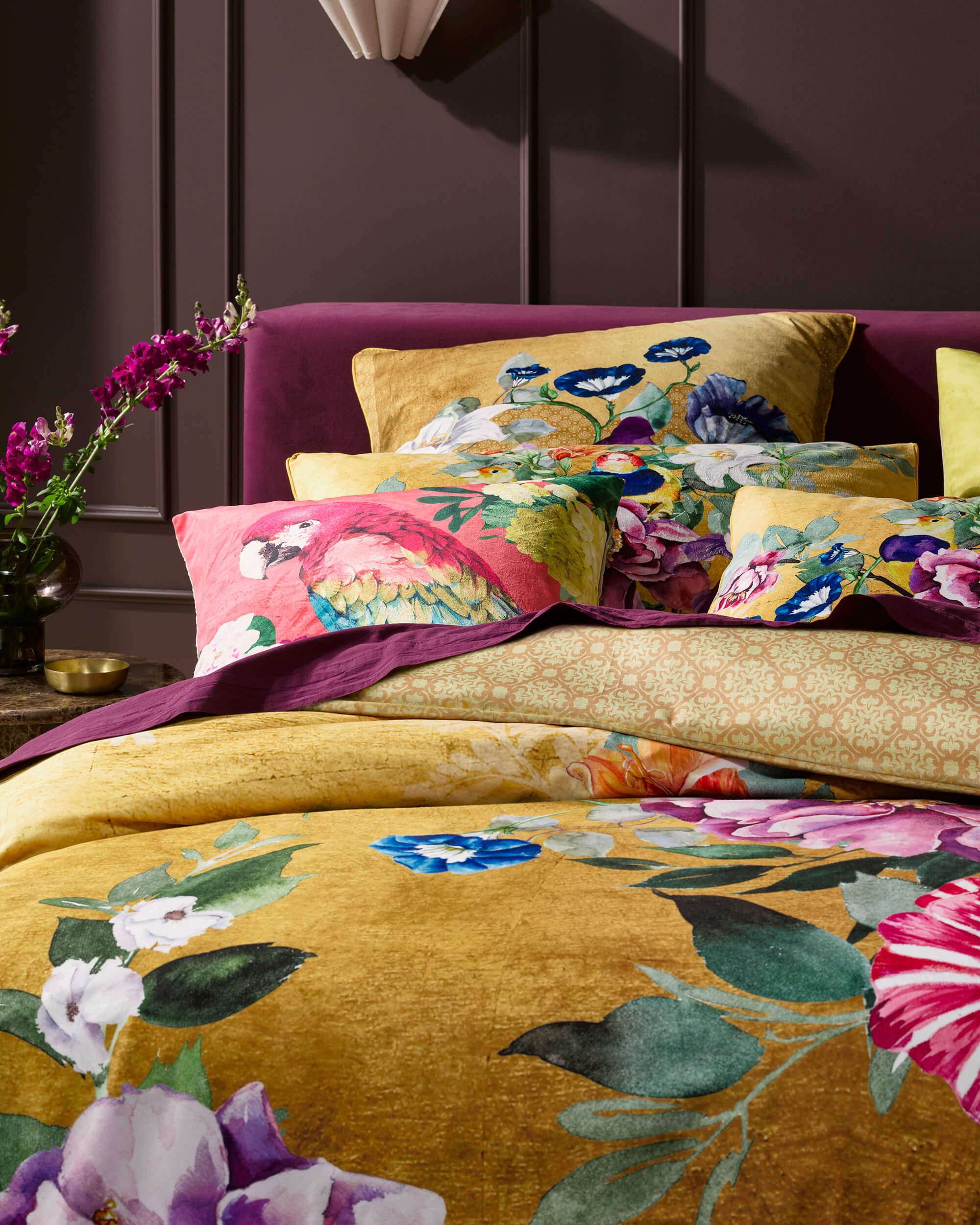
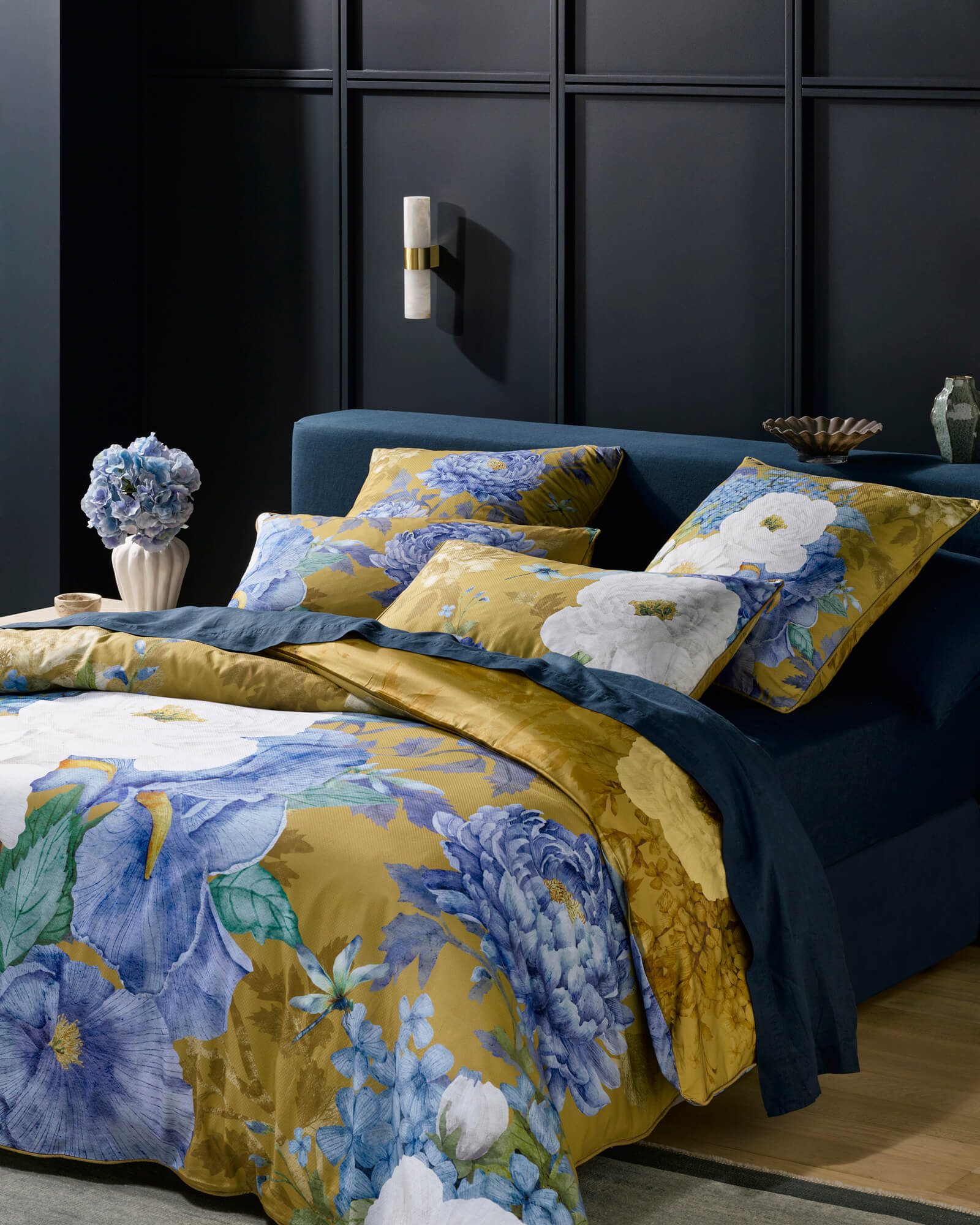
Colour chosen with intention reads differently to colour chosen by default. Marceline Mustard by Luxotic.
Pattern as a form of authorship
Pattern has always been one of the most direct expressions of personal taste. It is harder to make safe than colour and harder to neutralise. A strong pattern asserts itself. It makes a room feel decided.
What has changed is the context in which pattern is being used. For a period, strong pattern felt excessive, the wrong note in a spare, considered space. That calculus has shifted. Pattern used thoughtfully, particularly pattern that begins as original artwork rather than a repeat lifted from a print library, brings something that no neutral surface can: a sense that a decision was made.
This is the distinction that matters for art-led bedding. When a textile begins as a complete composition, it carries the weight of that intention into the room. It does not feel decorative in the superficial sense. It feels chosen.
The bedroom as an interior argument
There is a useful way to think about this shift. For the past decade, bedrooms have been designed to minimise disagreement, with the room itself and with any imagined audience. The choices made were choices that no one could object to.
What is emerging now is a different approach. Bedrooms are being designed to express a point of view. The room makes an argument for a particular way of seeing, a particular set of preferences, a particular aesthetic sensibility. It does not seek consensus.
This is what makes the shift meaningful rather than merely cyclical. It is not that maximalism is returning to replace minimalism. It is that people are becoming more willing to make choices that are unmistakably theirs, and less interested in making choices that could belong to anyone.

A room designed for no one in particular ends up feeling like exactly that.
Comfort and expression are not opposites
One of the lingering assumptions about expressive interiors is that they are somehow less restful. That bold colour or complex pattern creates visual noise that interferes with sleep.
The evidence from how people actually experience these spaces suggests otherwise. A room that reflects your own taste is more settling than one that feels borrowed or generic. The familiarity of things you have genuinely chosen creates a different kind of calm to the blankness of enforced neutrality.
Pattern and colour that are well composed, that have internal coherence and visual balance, do not compete with rest. They support it. The eye finds resolution in a considered design in the same way it finds resolution in music with structure. It is randomness and visual chaos that disturb. Intention, regardless of whether it is quiet or complex, does the opposite.
What this means for how bedding is chosen
If the bedroom is becoming more personal, the things that furnish it need to be worth choosing specifically. Not just functional and reasonably priced, but worth selecting for what they bring to the room.
This changes what to look for. The question is no longer whether something is neutral enough to work. It is whether it is distinctive enough to mean something. Whether the design carries genuine character, whether the colour has depth, whether the object rewards sustained attention.
Bedding is the natural place for this kind of consideration, because it is the dominant surface in the room and because it is used every night. It is both the most practical and the most visible choice.
Designs developed as complete artistic compositions, where every element of the pattern is considered as part of a whole, bring a different quality to this conversation. They do not need to be explained or justified by their functionality. They hold up on their own terms.

Designs developed as original artwork carry something into a room that catalogue prints cannot.
A room that reflects who you are
The trend toward personal bedrooms is not really a trend. It is a correction. After a long period in which the most private room in the home became the most conformist, people are reasserting what that space is for.
It is not for display. It is not for a photograph. It is for the person who sleeps there. That distinction, simple as it sounds, changes everything about how the room is designed, what it contains, and how it feels.
When bedding is chosen not for its safety but for what it actually does to a room, the space begins to hold a different quality. It feels inhabited. It reflects something real. And that, in the end, is what makes a bedroom worth returning to.