


The Hidden Link Between Nasal Breathing and Deeper Sleep
Most people approach sleep the same way they approach a waiting room. You arrive, you settle, and you trust that whatever is supposed to happen will happen in its own time. Sleep, in this framing, is something you fall into rather than something you prepare for, a passive event that the body manages on its own while you are unconscious and therefore uninvolved.
The problem with that framing is that it leaves one of the most important levers completely unattended. Not the mattress or the blackout curtains, though those matter too, but something far more immediate and far more overlooked: the breath. Specifically, whether you are breathing through your nose or your mouth when you sleep, and what that single distinction does to the quality of everything that follows.
The link between nasal breathing and deep, restorative sleep is one of the most research-supported and least discussed areas of sleep science. It touches on neurology, physiology, and the design of the bedroom environment in ways that, once understood, make the whole project of sleep feel less like something you wait for and more like something you can actively, and elegantly, support.
The Breath You Have Been Ignoring
The nose is not simply a passage for air. It is the body's most sophisticated environmental processing system, and it was designed specifically for the job of breathing. The nasal passages warm incoming air to body temperature, humidify it, and filter particulates before it reaches the lungs. They are lined with cilia and mucous membranes that capture bacteria and allergens. And they produce nitric oxide, a molecule that plays a critical role in vasodilation: the widening of blood vessels that allows more efficient oxygen uptake throughout the body.
The mouth, by contrast, does none of these things. It is a food intake mechanism that can, in emergency, be used for breathing. When you breathe through your mouth habitually, particularly during sleep, the air that reaches your lungs is cooler, drier, and less processed. Nitric oxide production drops significantly. The tissues of the throat dry out, increasing resistance and the likelihood of snoring. And the whole respiratory process becomes, measurably, less efficient.
James Nestor, whose book on the science of breathing synthesised decades of research from pulmonologists, sleep specialists, and evolutionary biologists, described the cumulative effects of chronic mouth breathing in clinical terms that are striking. The structural consequences alone, for people who breathe through their mouths from childhood, include narrowed airways and changed jaw development. The sleep consequences are no less significant. Mouth breathing is one of the primary drivers of sleep-disordered breathing, a spectrum that runs from light snoring through to clinical sleep apnea, and it disrupts sleep architecture in ways that most people never connect to their daytime fatigue, poor concentration, or low mood.
What Nasal Breathing Does to the Nervous System
The connection between breath and the nervous system is one of the most well-established in physiology, and it has direct implications for how quickly and how deeply you sleep. The autonomic nervous system, which governs the body's automatic functions including heart rate, digestion, and the stress response, responds to breathing pattern in real time. Rapid, shallow, or mouth-led breathing activates the sympathetic branch: the system associated with alertness, vigilance, and the fight-or-flight response. Slow, deep, nasal breathing activates the parasympathetic branch: the system associated with rest, digestion, and recovery.
This is not a metaphor. It is a measurable physiological relationship. The vagus nerve, which runs from the brain stem through the chest and abdomen, is directly stimulated by the diaphragmatic movement associated with nasal, belly-led breathing. When the vagus nerve is active, heart rate slows, blood pressure drops, cortisol levels decrease, and the brain begins the transition toward sleep onset. The body is receiving a signal, through the breath, that it is safe to stop being vigilant.
Mouth breathing, particularly the shallow kind that most people default to when stressed or when sleeping on their back without conscious attention, does the opposite. It keeps the sympathetic nervous system slightly activated, which keeps the brain in a state of low-level alertness that is directly incompatible with reaching the deeper stages of sleep. You may technically be asleep, but the quality of that sleep, the depth and the recovery it provides, is compromised in ways you will feel when you wake up.
Research from neuroscientist Dr Andrew Huberman and others has described a specific technique, sometimes called the physiological sigh, in which a double inhale through the nose followed by a long exhale produces the fastest known reduction in physiological stress markers. The mechanism is nasal. The direction of breath, in through the nose and out through the mouth or nose, is what engages the parasympathetic shift. The body is designed to respond to nasal inhalation as a signal that all is well.
Sleep Architecture and Why It Matters
Sleep is not a uniform state. It is a structured sequence of stages that the brain cycles through multiple times per night, and the value of any given night of sleep depends largely on which stages you reach and how long you spend in them. The two most restorative stages, slow-wave sleep and REM, are also the ones most vulnerable to disruption by poor breathing.
Slow-wave sleep, sometimes called deep sleep, is when the body does its most significant physical repair work. Human growth hormone is released almost exclusively during this stage. The glymphatic system, the brain's waste-clearance mechanism, is most active here, flushing the metabolic byproducts of a day of thinking. Immune function is consolidated. Cellular repair happens. Missing substantial amounts of slow-wave sleep does not just make you tired. Over time, it has measurable effects on metabolic health, immunity, cognitive function, and mood regulation.
REM sleep, the stage associated with dreaming, is when emotional processing and memory consolidation occur. Research from sleep neuroscientist Matthew Walker has described REM sleep as a kind of overnight emotional first aid: the brain replays emotionally significant events from the day, but in a neurochemical environment stripped of the stress hormones that made them feel threatening. Waking repeatedly through the night, as often happens with sleep-disordered breathing, fragments REM sleep in ways that compound across weeks and months into a meaningful emotional deficit.
The connection between breathing and sleep architecture is direct. Every time the airway is partially obstructed, whether from mouth breathing drying the throat, snoring creating turbulence and tissue vibration, or the brief apneas that many people experience without ever knowing, the brain is pulled toward lighter sleep to restore airway control. The deeper stages that the body needs are interrupted or abbreviated. You may sleep eight hours and wake exhausted, not because you were not in bed long enough, but because the architecture of those eight hours was systematically compromised.

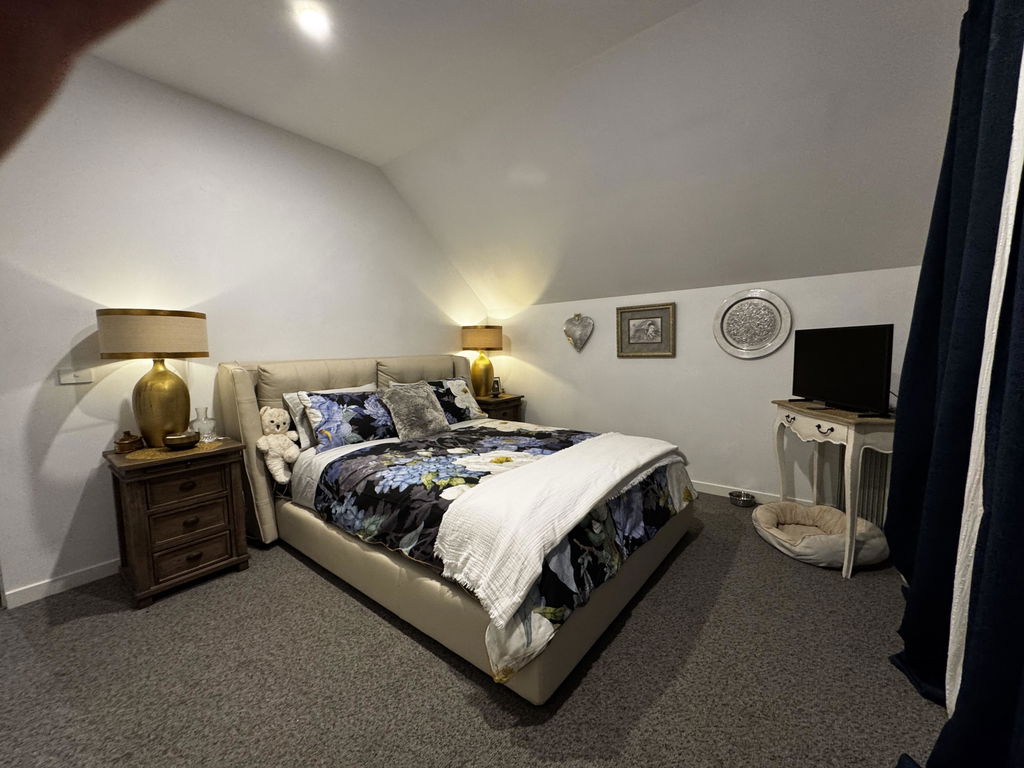
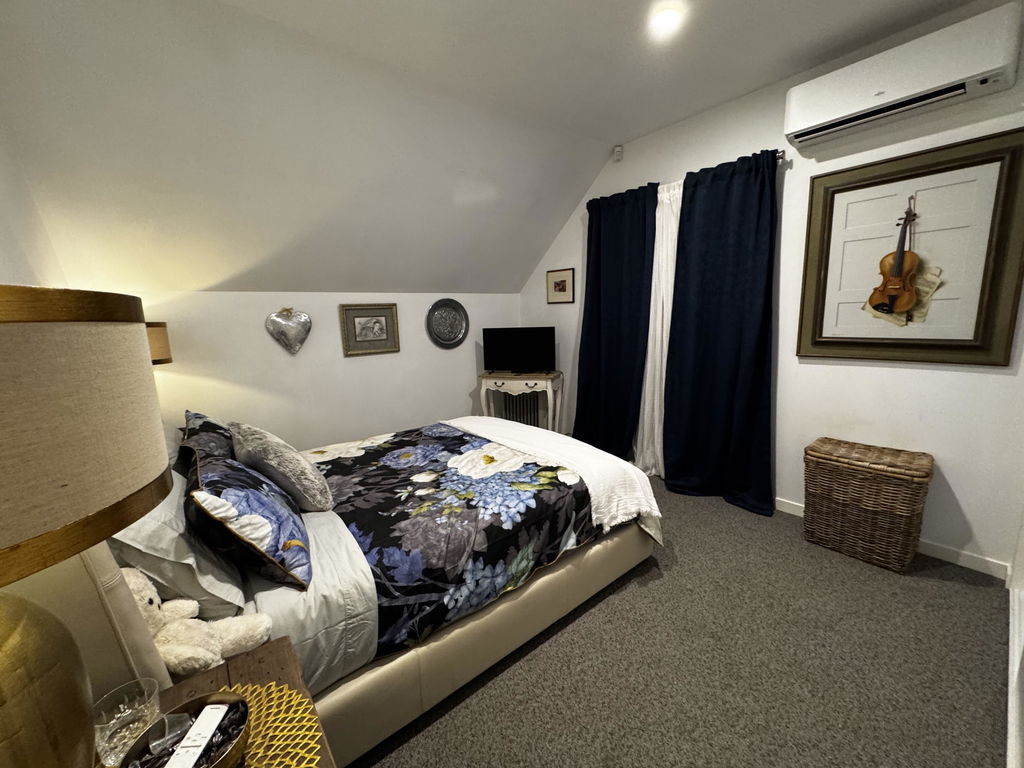
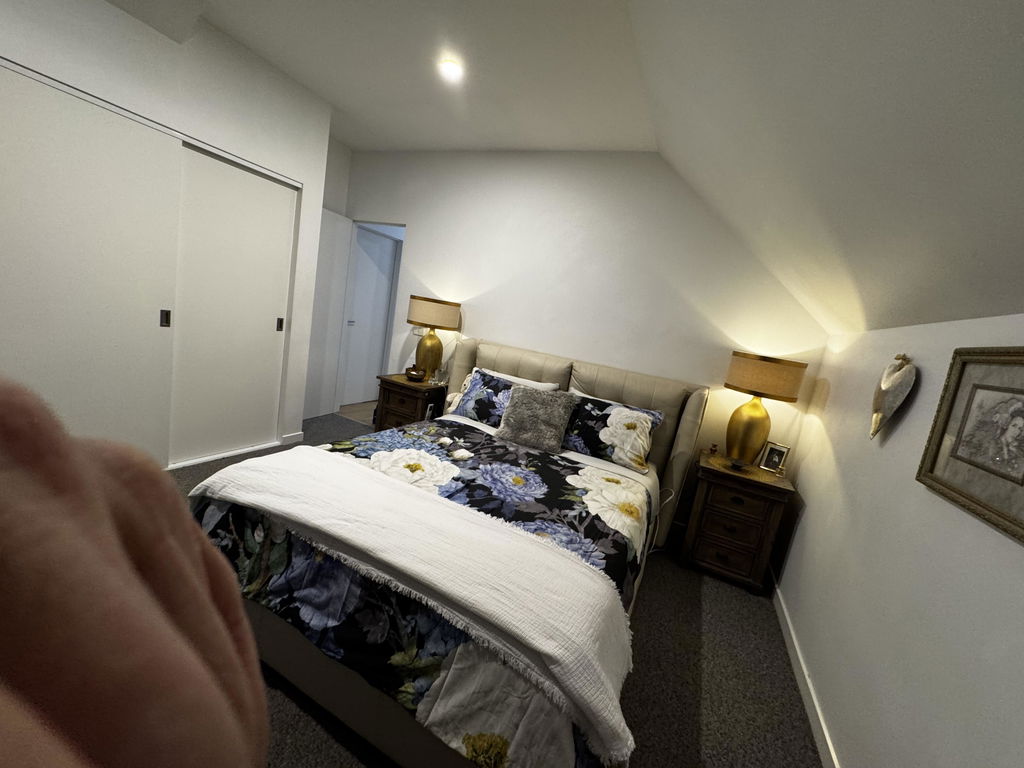
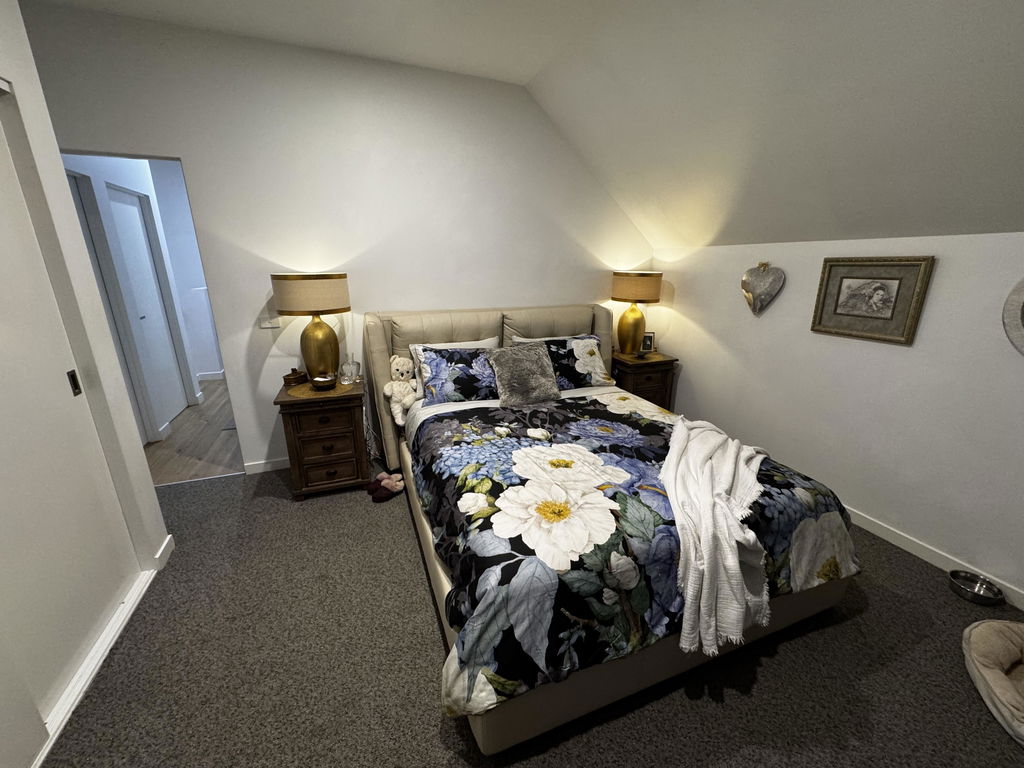
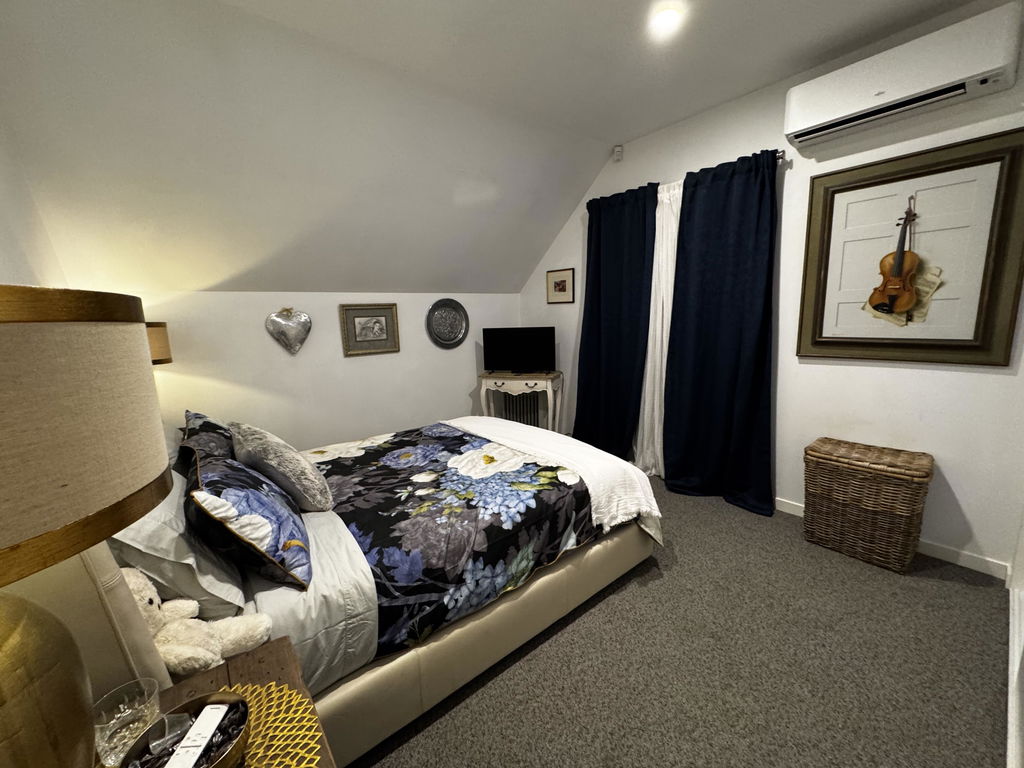
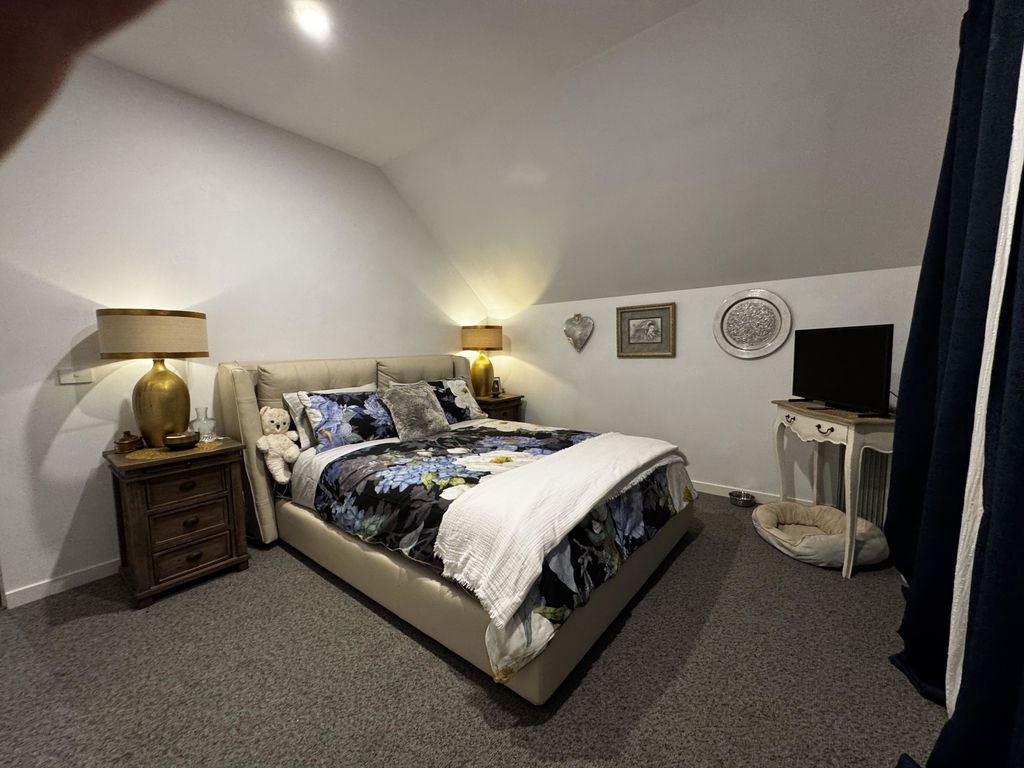
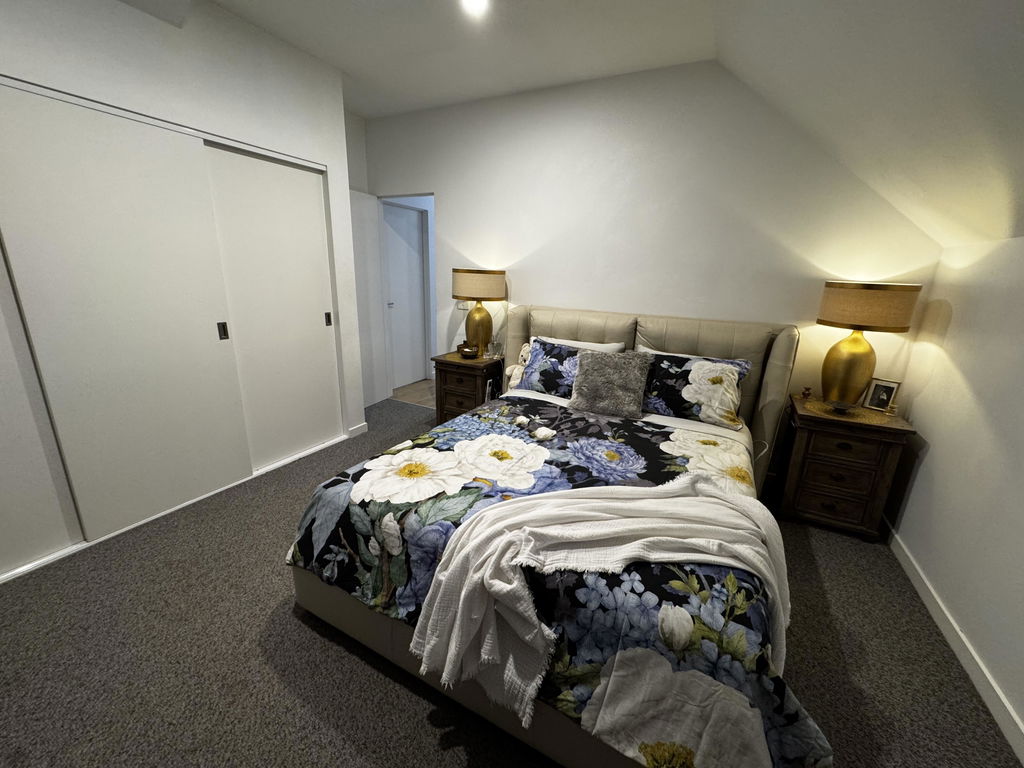
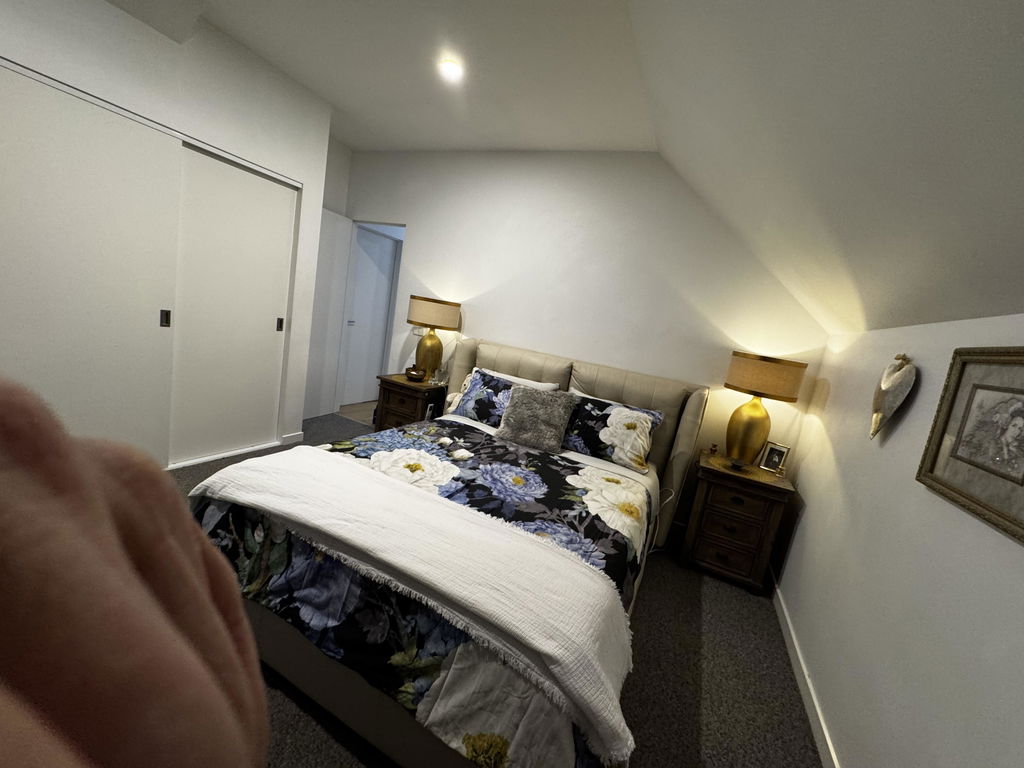
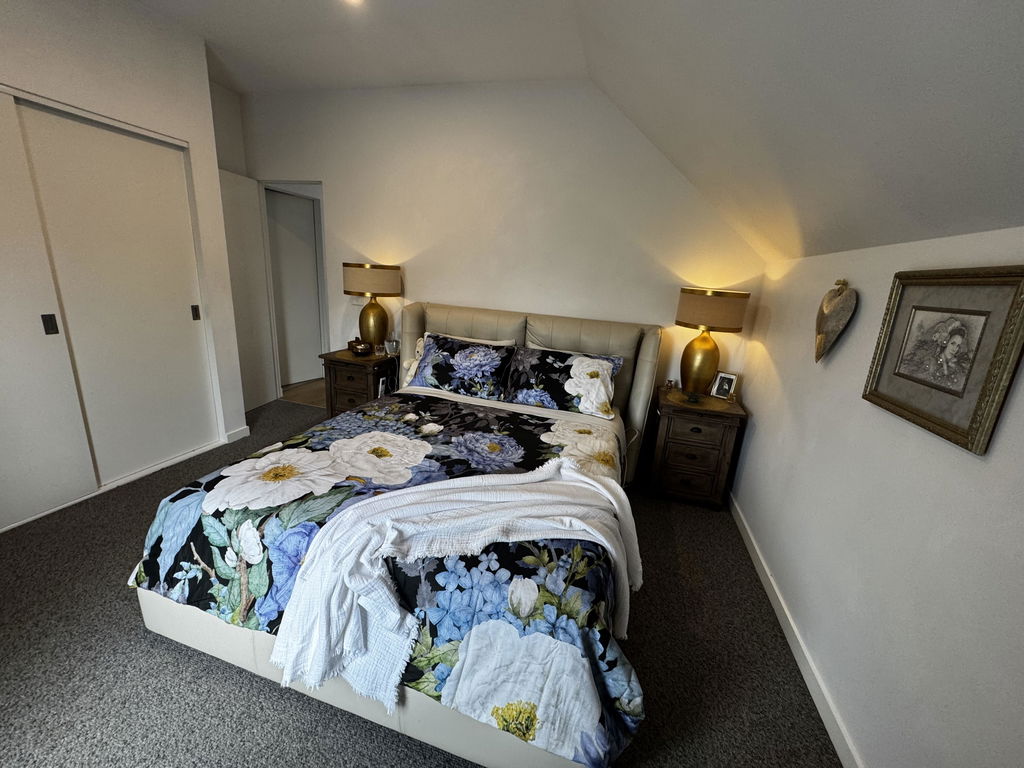
Marceline Black Quilt Cover Set — lifestyle detail. The dense, hand-painted botanical design creates an intimate atmosphere suited to the stillness of deep rest. Shop Marceline Black →
The Bedroom as a Breathing Environment
Breathing quality during sleep is not determined solely by technique or habit. It is also shaped, significantly, by the physical environment you sleep in. Temperature, humidity, air quality, and even the sensory signals the room sends to the nervous system all influence how well the body breathes through the night.
Temperature is one of the most well-documented environmental factors in sleep quality. The body needs to drop its core temperature by approximately one to two degrees Celsius to initiate deep sleep, which is why sleeping in a room that is too warm is so reliably disruptive. Most sleep researchers recommend a bedroom temperature between 16 and 19 degrees Celsius for optimal sleep. A room that is too warm keeps the body slightly alert, inhibits the temperature drop required for deep sleep entry, and increases the likelihood of restless movement that disrupts sleep architecture.
Humidity matters too. Nasal breathing is significantly harder in very dry air: the nasal passages dry out more quickly, airway resistance increases, and the body's instinct is to switch to mouth breathing as an easier path. A bedroom with moderate humidity, between 40 and 60 percent, supports the nasal passages in maintaining the moisture they need to function well through a full night of sleep. This is particularly relevant in airconditioned or centrally heated rooms, where the mechanical drying of air is a consistent feature.
Air quality is the third environmental variable, and it includes both particulates and the more subtle matter of airborne allergens. Dust mites, the most common bedroom allergen, are also one of the primary drivers of nasal congestion and the mouth breathing that follows from it. High-quality bedding that is washed regularly and breathes well creates fewer conditions for dust mite accumulation, which means nasal breathing is supported rather than obstructed through the night.
The bedroom does not just house the body during sleep. It actively participates in the quality of that sleep, through its temperature, its air, and the signals it sends to a nervous system that is listening even when you are not.
What the Body Needs to Let Go
Beyond the physical conditions of temperature and air quality, there is a subtler dimension to the bedroom's role in sleep quality, one that has to do with the signals the environment sends rather than the measurable conditions it creates. The nervous system does not switch off at bedtime. It continues monitoring. And the visual, tactile, and atmospheric qualities of the bedroom are part of what it reads as it makes the ongoing assessment of whether this is a safe, settled place to release vigilance.
This is why visual calm in the bedroom is not a purely aesthetic consideration. A room that is cluttered, visually busy with competing objects and competing colours, or that carries the presence of work, screens, or unfinished demands, keeps the nervous system in a mild state of alertness. The visual cortex, which does not fully quiet until the deeper stages of sleep, continues processing what it sees as the body transitions toward rest. A room that is visually settled, with surfaces that are clear and a palette that is warm and unhurried, reduces that processing load and allows the shift toward sleep to happen more smoothly.
The tactile environment is equally significant. What you are lying on and covered by sends proprioceptive signals to the nervous system throughout the night. Fabric that is rough, hot, or scratchy generates low-level discomfort signals that the brain registers even during sleep, contributing to restlessness and lighter sleep. Fabric that is smooth, breathable, and at the right temperature allows the body to settle without resistance. This is not luxury as an end in itself. It is physiological support for the thing the bedroom is designed to do.
| Bedroom that supports deep sleep | Bedroom that works against it |
|---|---|
| Cool temperature (16–19°C), allowing core body temperature to drop | Warm, stuffy room that keeps the body in a mild state of alertness |
| Moderate humidity supporting nasal passage moisture through the night | Dry air from airconditioning, drying the nasal passages and triggering mouth breathing |
| Visually calm, warm palette, minimal clutter signalling to the nervous system: rest | Busy surfaces, screens, and visual stimulation keeping mild alertness engaged |
| Smooth, breathable, temperature-regulating bedding that the body settles into without resistance | Synthetic or rough fabric trapping heat and generating low-level tactile discomfort |
| A space that was designed with intention, that signals: this is for rest | A room that carries the visual presence of work, obligations, and unfinished demands |
The Material Experience of Rest
Cotton sateen occupies a particular place among bedding fabrics precisely because of the properties most relevant to sleep quality. Its weave creates a smooth surface that minimises friction against the skin throughout the night, reducing the micro-awakenings that come from sensory irritation without rising to the level of conscious awareness. Its natural fibre composition allows it to breathe, absorbing moisture and releasing it rather than trapping heat the way synthetic fabrics do. And its weight, neither too light to have presence nor too heavy to trap warmth, gives it a quality that sleep researchers sometimes describe using the clinical language of "interoceptive comfort": the body knows it is well covered without being overheated.
There is also the matter of what the fabric communicates before sleep even begins. The tactile signal of sliding into smooth, quality bedding is part of the pre-sleep sensory sequence that the nervous system reads as a cue for rest. Familiar, comfortable textures are associated with safety. Safety is the precondition for the parasympathetic shift. The quality of what you touch as you settle into bed is not incidental to sleep quality. It is part of the architecture of it.
The Signature Series from LUXOTIC uses cotton sateen throughout, which means the fabric properties that support sleep quality are built into every design in the range. But the material case for the bedding and the aesthetic case for it are not separate arguments. A bed that is genuinely beautiful, covered in a design that you chose because it reflects something true about how you want to live, is a bed you are more likely to approach with intention. The ritual of settling into it becomes its own signal: this is where the day ends, and rest begins. That signal, repeated every night, trains the nervous system's response. The body learns what it means when the familiar smoothness of the sateen is there against the skin, and the design you love is the last thing you see before you close your eyes.

Jungle Lotus Quilt Cover Set — environmental lifestyle detail. The botanical density creates an enveloping, immersive atmosphere in the bedroom. Shop Jungle Lotus →

Gold Leaf Quilt Cover Set — lifestyle detail showing the warm botanical and avian design in evening atmosphere. Shop Gold Leaf →
Small Practices That Compound
The practical application of the nasal breathing research is simpler than it might appear, and it does not require devices or supplements. The physiological sigh, the double nasal inhale followed by a long, slow exhale, takes about ten seconds and produces a measurable drop in cortisol and heart rate. Done three to five times before sleep, it shifts the nervous system toward parasympathetic dominance in a way that most people can feel almost immediately. The long exhale is the mechanism: it activates the vagus nerve and communicates to the brain that there is no emergency requiring vigilance.
Keeping the mouth closed during sleep, which can require some conscious attention at first particularly for habitual mouth breathers, is the longer practice. Some people use mouth tape, a small piece of surgical tape applied to the lips before sleep, which sounds extreme but has been shown in small studies to significantly improve sleep quality and reduce snoring for mild-to-moderate cases. The practice is endorsed by a growing number of sleep researchers as a low-risk, high-impact intervention for people whose sleep quality is compromised by habitual mouth breathing.
Nasal saline rinses before bed clear the nasal passages of the day's accumulated particulates and allergens, reducing congestion and making nasal breathing easier and more comfortable through the night. Combined with a cool, moderately humid bedroom, quality bedding that breathes rather than traps heat, and a sleep environment that has been designed with the nervous system's requirements in mind rather than against them, these small practices create conditions for sleep to do what it is designed to do.
Aria White
Layered peacock, animal, and botanical motifs on a warm ivory ground. Visually rich but tonally calm, creating the ideal backdrop for a bedroom designed around rest.
Shop Aria White →Jungle Lotus
A dense botanical world of lotus flowers and jungle foliage on cotton sateen. Enveloping and immersive, designed for a bedroom that feels like a genuine withdrawal from the world.
Shop Jungle Lotus →Gold Leaf
Warm botanical and avian forms in hand-painted gold and earthy tones. Rich without being heavy, luminous in evening and morning light, a design that makes the bedroom feel like a considered sanctuary.
Shop Gold Leaf →
Aria White Quilt Cover Set — 3/4 view with full pillow styling, showing the layered botanical and animal motifs on a warm ivory cotton sateen ground. Shop Aria White →
The Room That Breathes With You
The connection between nasal breathing and deep sleep is, at its core, a story about conditions. The body is capable of extraordinary restoration during sleep, but that capacity is conditional on the environment not actively working against it. Breathing quality is one of the most significant of those conditions, and it is shaped by everything from the architecture of your airways to the humidity of your room to the tactile comfort of your bedding and the visual signal your bedroom sends to a nervous system that never fully stops listening.
This is why the bedroom is worth taking seriously as a designed space, not simply as a functional one. Not because beautiful rooms are a luxury, but because the quality of a space has direct and measurable effects on what the body can do in it. A bedroom that is cool and calm and covered in something genuinely beautiful, something chosen because it matters to you, something that communicates rest through every sense available, is a bedroom that helps the body do its most important work.
Sleep should feel like being wrapped in art. That idea, which is at the centre of everything LUXOTIC makes, turns out to have a physiological dimension that goes beyond aesthetics. The art is the signal. The signal tells the nervous system: you are somewhere worth resting. And with that, the breath slows, the body settles, and the work of deep sleep can finally begin.